Reality
Reality, Dreams, and the Space in Between
At A Glance
Reality is a 3 and a half hour long concept album about the human experience of living a life, and what it means to have emotions and dreams. It consists of a full orchestral ensemble pushed to it's absolute limits, as well as rich soundscapes and foley recordings, and an array of featured musicians. One of the key aspects of the album is the juxtaposition between escapism (characterized as dreams, memories, stories etc.), and reality. It expresses that there is beauty in the struggle, no matter how complex or overwhelming life can get.
The Writing Process
I wrote Reality over the span of 3 years, with the bulk of the composition happening during 2023/2024. It started out as a challenge I did to help myself out of a creative block. I tried writing a single 1-minute piece of music every single day, with the idea of doing it for the entire month of March. I ended up only completing about 10 pieces that month. Not because I ran out of inspiration, but because I felt the pieces I already had were too good, and I absolutely needed to make full versions of them. It was during this time that I initially developed the dark and atmospheric instrumental sound which would drive the entire album to come.
I now knew how to make interesting soundscapes and build a cinematic track without relying too much on melodic lines or a sense of rhythm. But after having a folder full of intense yet melodically lacking soundscapes, I decided it was time to switch it up a bit. I decided to study my favourite albums and soundtracks in more detail. This led me to write a whole slew of very episodic and structurally rich tracks. During this period I wrote Last Starlight, Dream I: Awake, and Otherly Worlds, almost back to back, all three of which turned into some of my favourite tracks of the bunch. It gave me a bunch of motivation to really aim high and create the rich cinematic climaxes that the until-now tame record desperately needed. It was also during this time that the final structure of the whole album came into view. I sorted all the stories I really wanted to tell and styles I really wanted to try and ultimately limited myself to 35 tracks, simply because my distributor does not allow for albums with more than 35 tracks. It is very much possible that without this limitation, the entire finished album would have never seen the light of day.
During the 3 year period that I worked on this, I learned a lot about instrumentation and music composition in general. So after all this development, it was almost inevitable that some of the earliest tracks I wrote were not up to par anymore, especially the 1-minute ones I made for the initial challenge. I decided to completely rework and expand on 8 tracks during this time, improving their structure and adding callbacks to other songs. I believe this really helped bring the record to the cohesive and complete state I wanted for it.
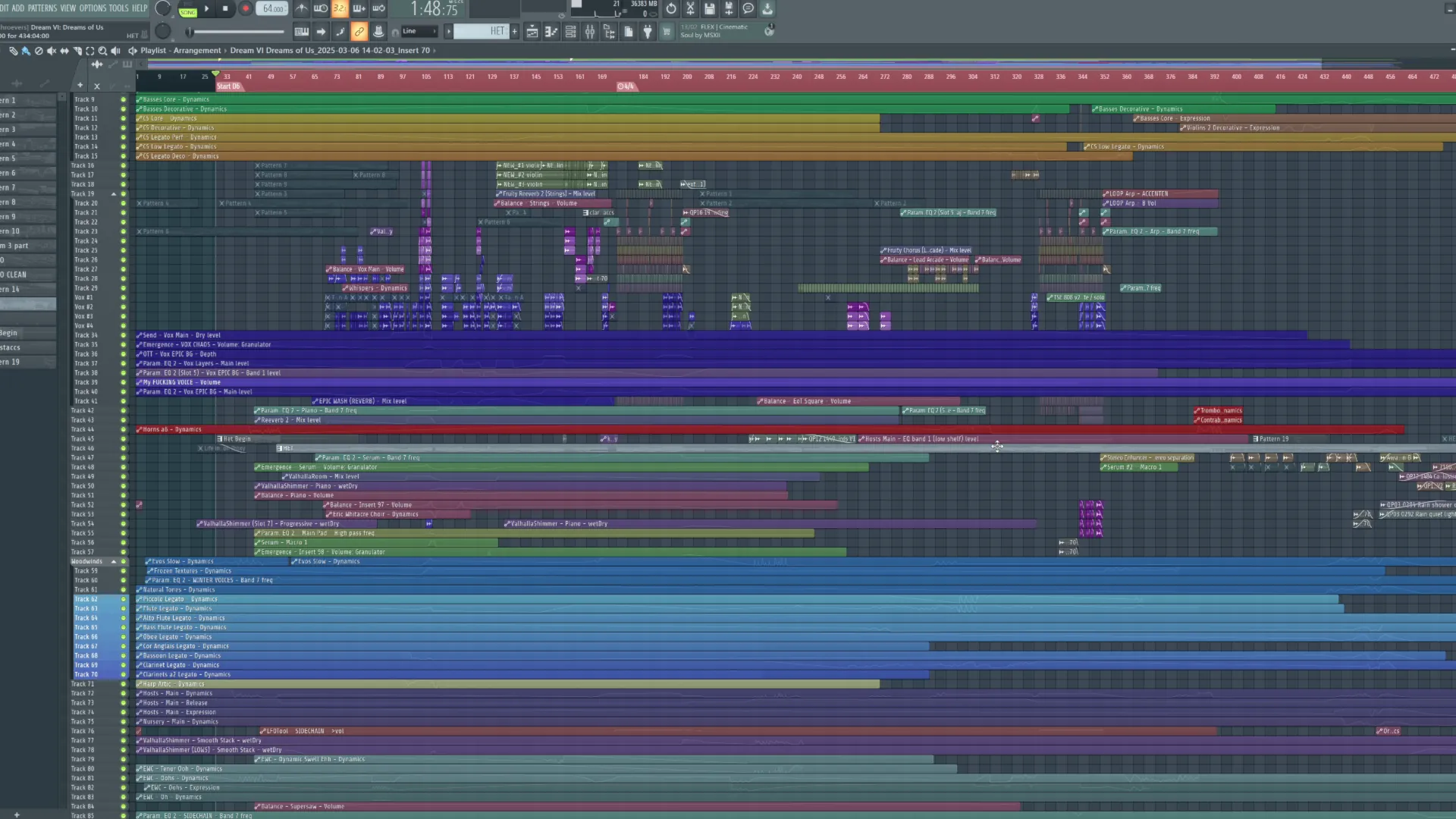
The very last track I finished was also the most important: Dream VI: Dreams of Us. I had been writing it continuously for two years already, but mostly on piano and as little vague notes in workbooks: not a single note was actually in my DAW yet. It felt daunting to finally create a song I had been imagining in my head for years, because what if it didn't live up to my expectations? But two months before heading on my exchange to Korea, I realised I was running out of time if I ever wanted to release this album, and I bit the bullet. And through near full-time effort 7 days a week over the two months, my vision slowly but surely came to life. It turned out to be almost everything I ever wanted it to be, and I'm really glad I took the chance. The album wouldn't have been the same without its half-hour-long episodic closer.
Inspirations
The style of writing and orchestral timbres have largely been inspired by soundtracks of (indie) video games. Some notable ones being the Ori and the Will of the Wisps soundtrack composed by Gareth Coker, the Journey soundtrack composed by Austin Wintory, and the Minecraft soundtrack composed by Daniel Rosenfeld. Apart from soundtracks, I was also inspired by contemporary classical music from Japan, notably composer Takashi Yoshimatsu being one of my heroes in the way he manages to instrumentalize complex yet elegant arrangements.
Working with Session Musicians
To add extra life into the music and build my professional skills, I decided to hire various musicians to record sections for me on their instruments. I started out with my oboist, Felipe Sosa, who worked with me on many songs to inject some extra airy goodness. It was also my first time working with vocalists. Two of them worked with me on Reality: Leyla Temiz, who does the ethereal vocals in Life in Pictures, and Sarp Akçay, who delivers the heavy lyrics in Dream VI: Dreams of Us. The string sections and violin solo's on the latter were all recorded by Nino Chikviladze, who is just an absolute inspiration and an emotional powerhouse in her musical expression. Working together with all of them was a blast, and I'm really grateful for the opportunity. It not only allowed them to put their soul into the music, but also elevated the depth and message of the entire album.
The Story
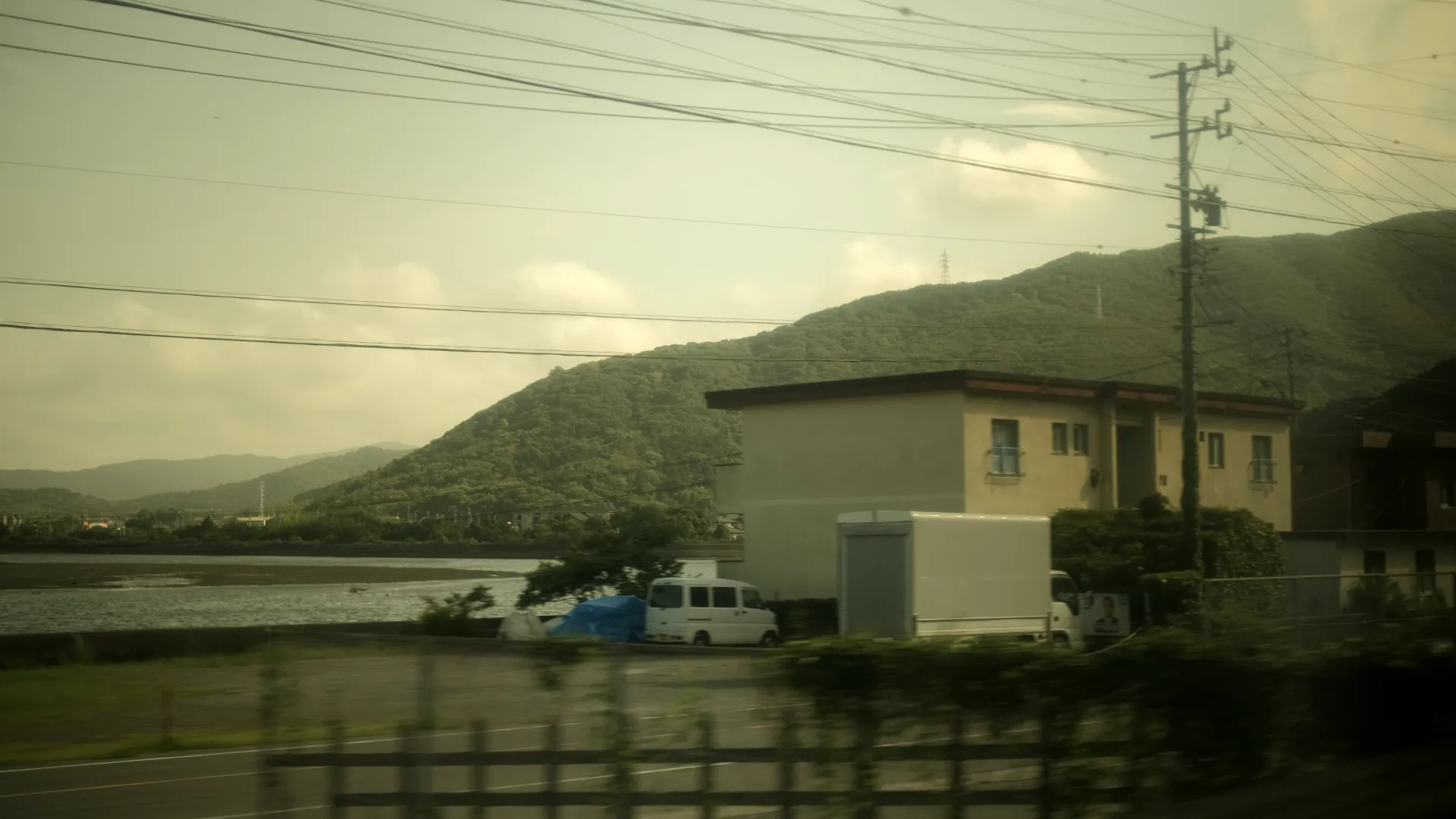
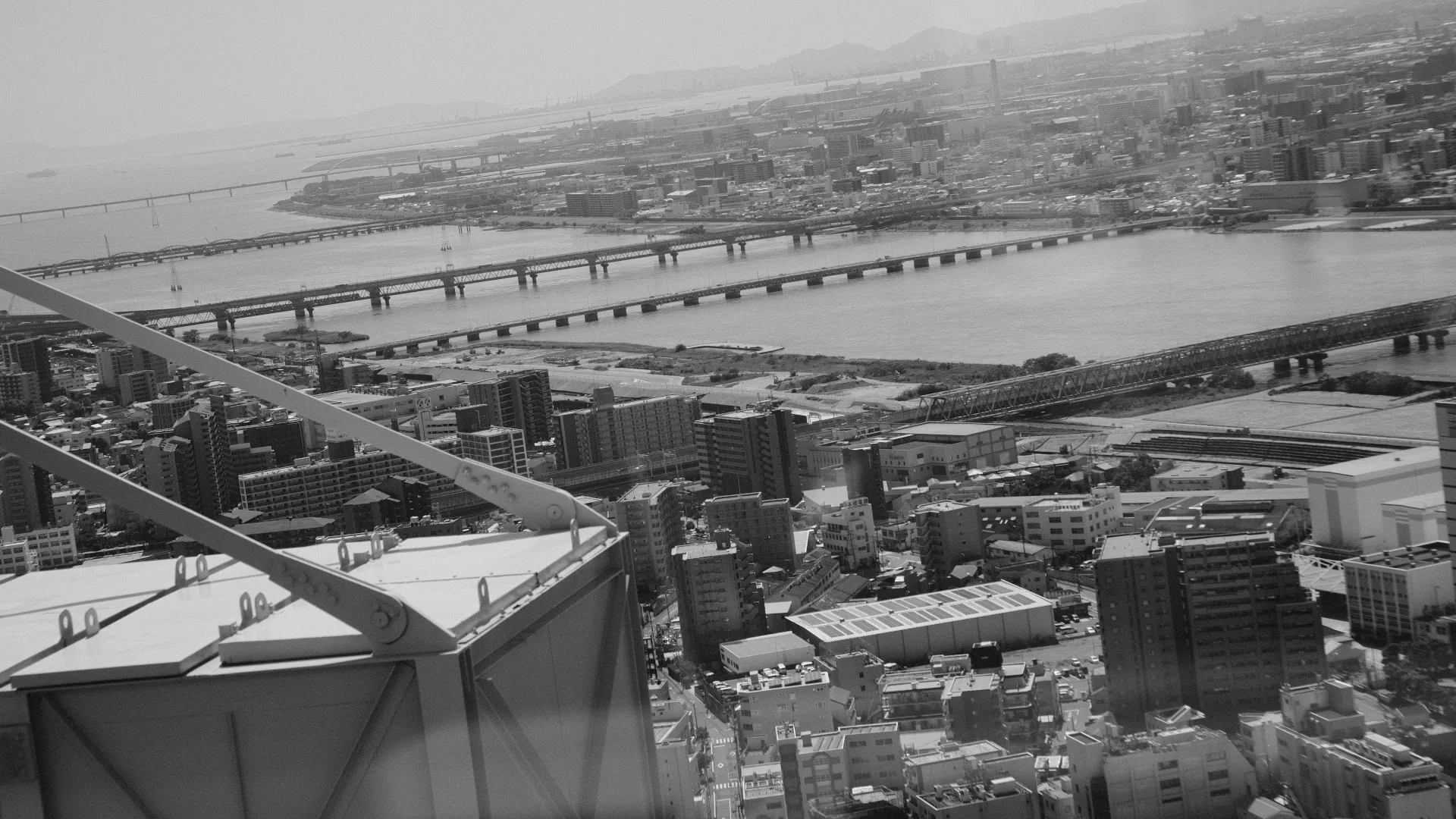
The story of the album was largely inspired by my experience traveling Japan in the spring of 2023, and everything leading up to it. I was going through a tough time mentally in that period, and I struggled a lot with self-identity and finding my path in life. It had already been my dream to travel to Asia for a long time, and specifically Japan. I was looking forward and planning ahead for this trip so much, that a fear started setting in before I left: that the experience would not be as groundbreaking or incredible as I hoped it would be.
The trip ended up being incredible in every sense of the word, but I also couldn't help but feel like something was missing, like I lost a childlike wonder I used to have. As if I was reading a synopsis of my own life instead of being there to have lived it. And after returning back home, it felt like I was now burdened with great memories that I could never return to, and beautiful first experiences that I could never truly retrace. Since that trip, while I was working on Reality, I have relived a similar mind loop for various things in my life, be it new travels, study opportunities, social situations, and other changes of scenery. What tied it all together was this feeling that nothing was ever quite in it's right place, like the fun part was already over before I could truly appreciate it for what it is.
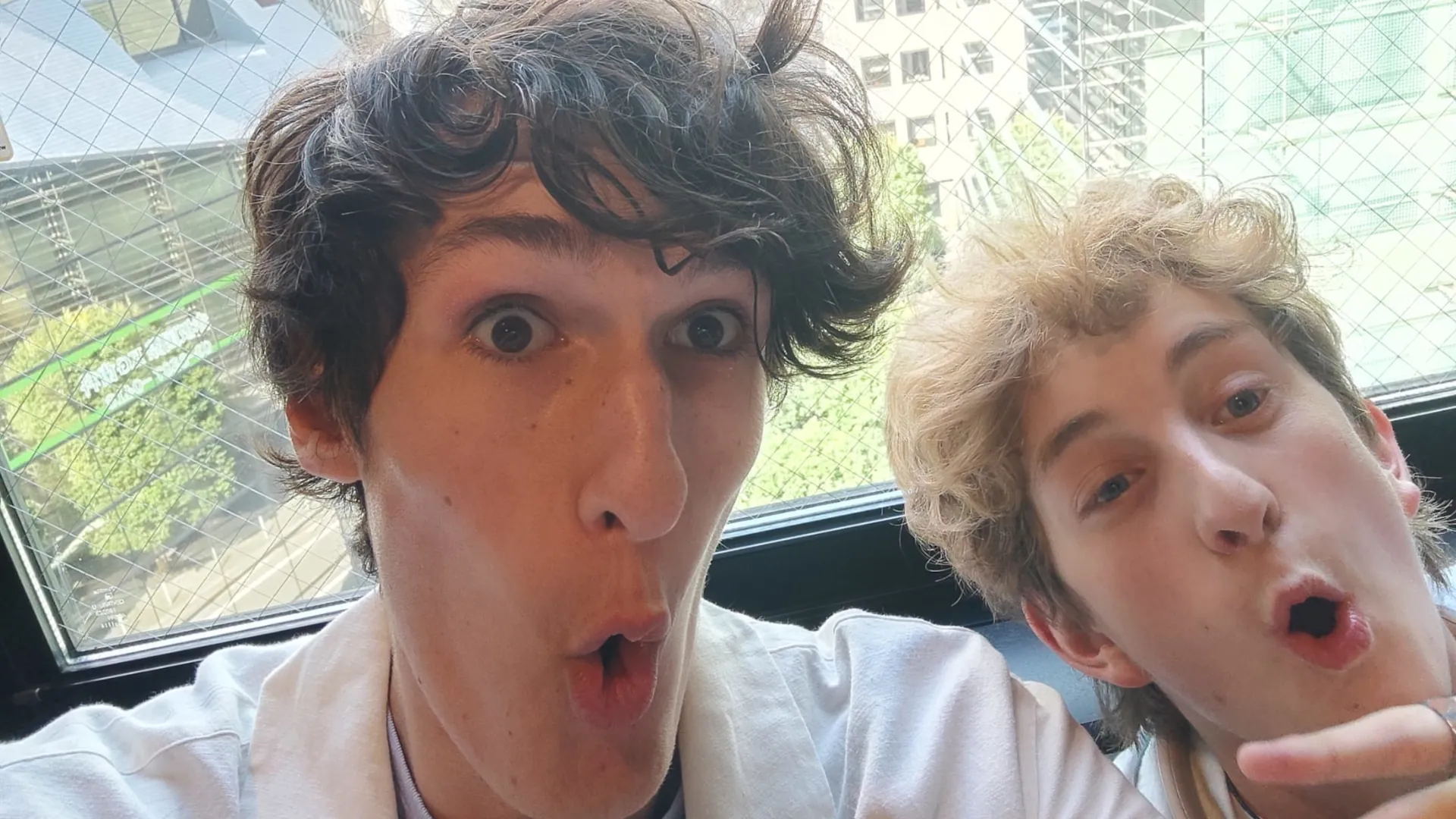
There's a tempered grief that can come along with nostalgia, and this is really the core of the album. This singular overarching feeling really inspired much more of the in-depth story beats that ended up making it on the record. And the more I became aware of this in my own life, it started feeling like I was chasing an emotion that became more scarce the harder I looked.
Dreams
It was this disparity between expectation and reality that also inspired the idea of dream sequences, and also earned the album it's name, Reality. Each dream sequence explores a specific type of recurring thought or fantasy that warps my sense of what is real.

Dream I: Awake explores the feeling of waking up from a dream that felt too good to be true. Just when you thought your lid might be taking a great turn for the better, sometimes all it takes is the sound of your alarm to snap you right back out of it. It is the most ambiguous of all the dream sequences, taking place halfway between a dream and the real world, making it a perfectly two-faced and bittersweet opening to the album.
Dream II: Power of Imagination is an expression of what can happen creatively when you set your mind to it. It also dives more into a common theme of the album: passive daydreaming. Constant rambling of positive or negative thoughts that end up influencing my view of situations or the people around me. When they're uplifting, it can feel beautiful when you're in them, but by nature, they're not to last.
Dream III: Fractured Dreams is a natural continuation of dream II, in the sense that it explores what daydreaming can start to feel like when multiple thoughts and scenarios are rapidly starting to overlap. It's about not losing sight of your identity amid all your hopes and fears, and trying to find fulfillment and cohesion in the chaos of daily life.
Dream IV: Dreams of the Past is inherently about trauma and past experiences, good or bad, and how they can grow to influence your life and character for years to come. It is also one of the few narrative tracks, featuring a traditional story on top of it's metaphorical meaning. It follows a firefighter first responder and their troubled childhood, which despite their best efforts to regain themselves, ends up being their downfall.
Dream V: Dreams of Better Times is an interesting one. While I tried to make the other dream sequences feel "off" and desorienting at times, I wanted to make this one more grounded and optimistic. It resembles a state of bliss or trance one can get in when things are really going their way, like you finally arrived at the very thing you've always dreamed about.
Dream VI: Dreams of Us is an extremely important piece to me. Not only is it by far the longest song I have ever witten or produced, it is also my first song with promiment English lyrics. It's structure is strange, it's instrumentation even stranger, and yet it also somehow makes perfect sense. The album cannot exist without this closer, and this song cannot exist without the album leading up to it. The song essentially is about finding equilibrium, and finding happiness amidst all these things going on in my mind that I've covered in all the other tracks on the album. It offers a slightly idealistic and euphoric view on life, indulging in the hope that everything you ever dreamed of will become reality in one form or another.
Kickback of Awakening
Apart from it's ethereal and surrealist dream sequences, many pieces of the record explore the more "day-to-day" experiences of my life and the human experience in general:
It explores themes such as loneliness, feeling alone in a crowd, or feeling misunderstood even by those closest to you, all of which I struggled with a lot during the early days of this albums inception. Tracks like Translucent, Alone in the World, and We Are Perfect Beings explore this turbulence.
Another prominent theme is the idea of predestination, true love, and that everything will find it's right place given enough time. While I do not personally believe in the idea of fate or soulmates, the idea in itself is intruiging if not alluring. When life doesn't go your way it can sometimes be tempting to clutch on to the future and pray it will sort itself out. My favourite examples of tracks that cover this are Never Have I Ever, Something So Pure, and I'm Not Lost, among others.
A red thread through many of the "reality" pieces of the album is the recurring sound of rain and trains driving by. I imagined this as a perfect balance in a perfectly boring world. Picture yourself on the train to work, off to another day of mind-numbing tasks to be able to make a living. It's quite a terrifying nightmare, and yet so many of us are living that exact reality.
Disc4
Reality was such a massive project that many demos and even completed songs did not make it on the album, usually because they no longer fit the flow and story of the entire work. To still make all these songs part of the work, I included them in a separate bonus album, which I imagined as the fourth disc in a CD set. Cut content or not, it features quite a lot of tracks I'm extremely happy with, such as Exulansis and the dark counterpart of Astralith: Noctilith.